Best in Travel is here! Contact Us


- Home
- About
- Safaris
- Destinations
- Arusha
- Tarangire
- Serengeti
- Ngorongoro
- Manyara
- Zanzibar
- Arusha
- Tarangire
- Serengeti
- Ngorongoro
- Manyara
- Zanzibar
Explore Tanzania Wilderness
Escape the Ordinary Discover the World!
- Kilimanjaro
- Zanzibar
- Experience
- Blog
Ngorongoro Crater
Ngorongoro Crater
Discover Ngorongoro Crater Wonders
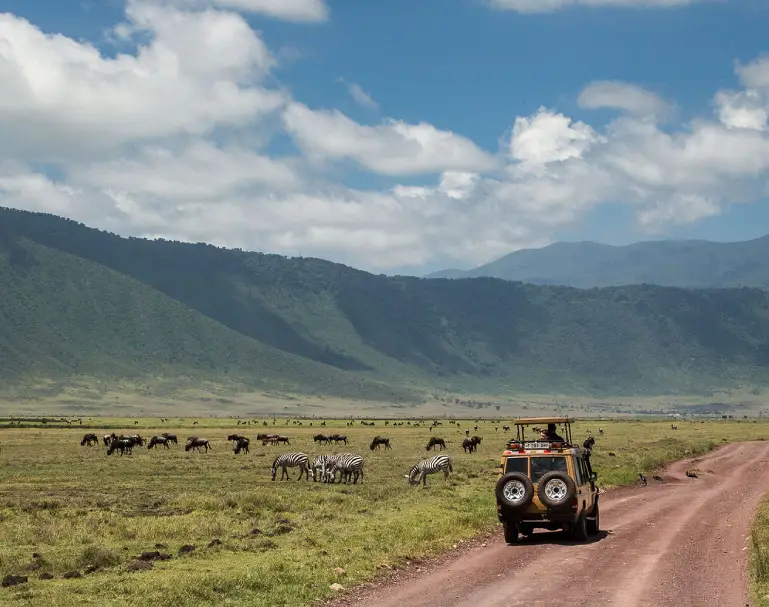
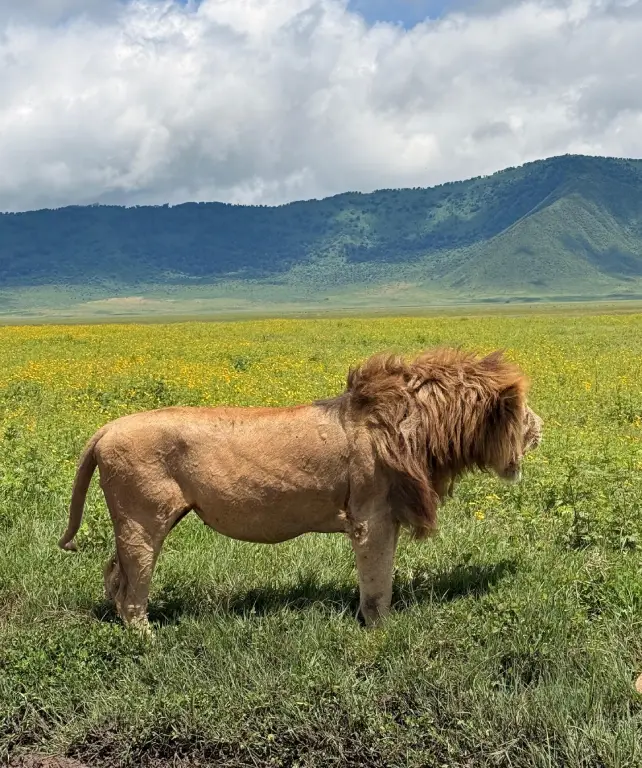
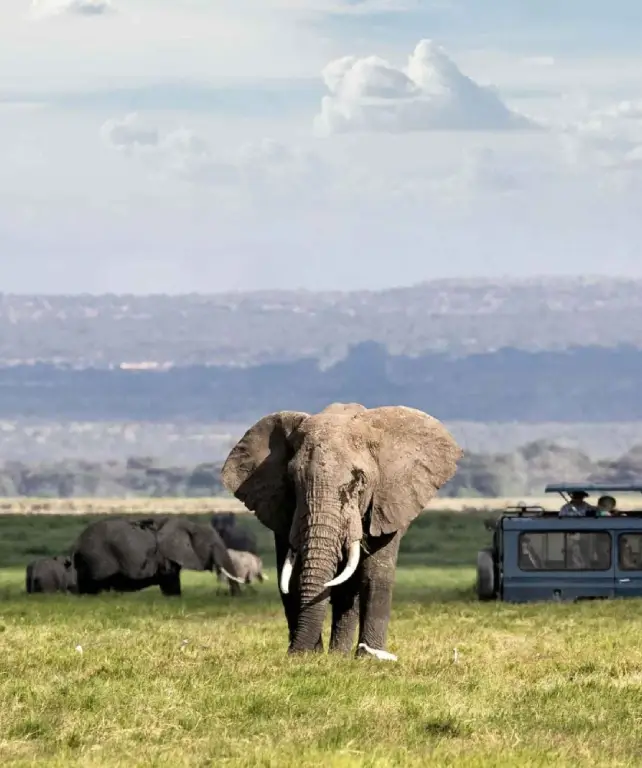
Ngorongoro Crater is one of Tanzania’s most spectacular safari destinations, renowned for its dramatic volcanic landscape, abundant wildlife, and exceptional safari experiences. The crater floor features vast grasslands, forests, wetlands, and Lake Magadi, creating an ideal habitat for lions, elephants, buffaloes, zebras, hippos, and other wildlife. Visitors can enjoy remarkable wildlife viewing, photography, and scenic game drives while exploring one of Africa’s most iconic natural wonders in northern Tanzania.
Plan your Tanzania Safari around Ngorongoro Crater for exceptional wildlife viewing, scenic game drives, and photography with Tanzania’s remarkable natural heritage.

Big-Five Wildlife-Refuge
Black-Rhino Conservation
Caldera Scale-Highlights
Discover Crater Life
Explore the best things to do in Ngorongoro Crater, from thrilling wildlife safaris and scenic game drives to photography, cultural experiences, and exploring the surrounding highlands. Discover incredible wildlife, dramatic volcanic scenery, and unforgettable Tanzania safari experiences surrounded by crater landscapes, forests, grasslands, and breathtaking natural beauty.
Crater At Its Best
Explore the best time to visit Ngorongoro Crater from June to October for dry weather and excellent wildlife viewing, or January to March for lush scenery, fewer crowds, and memorable safari moments.
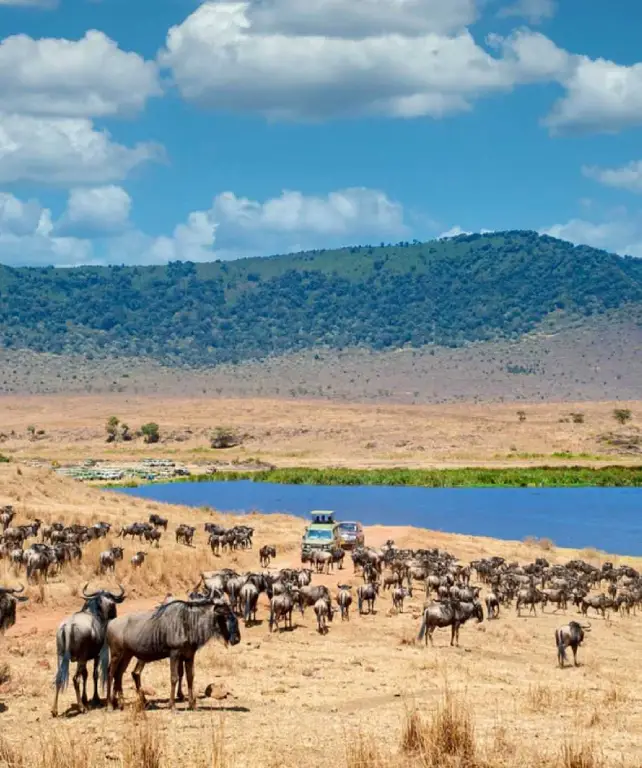
January is an excellent month to visit Ngorongoro Crater for lush scenery, active wildlife, and the beginning of the calving season. The short rains can keep the landscape green, while wildebeest and zebra gather across nearby plains. Visitors can enjoy rewarding game drives, birdwatching, photography, and memorable wildlife encounters in a vibrant Tanzania safari setting throughout January and early calving.
Choose January for green landscapes, active wildlife, calving-season beginnings, and rewarding Ngorongoro safari experiences across the crater throughout the month.
February is one of the best months for a Ngorongoro safari, particularly for travellers interested in wildlife and seasonal calving. The short grass plains become important grazing areas, attracting large herds of wildebeest and zebra. Newborn animals also draw predators, creating excellent opportunities for dramatic sightings. Green scenery, pleasant conditions, and abundant wildlife make February especially rewarding for photographers and nature lovers visiting Ngorongoro Crater.
Plan your Ngorongoro safari in February for spectacular calving activity, predator sightings, green scenery, and exceptional wildlife photography opportunities across the plains.
March continues the spectacular calving season in Ngorongoro, with large herds gathering around the short grass plains. Fresh vegetation supports abundant herbivores, while predators remain nearby, creating exciting wildlife interactions. Occasional rainfall keeps the scenery vibrant and atmospheric. Travellers can enjoy game drives, photography, birdwatching, and excellent opportunities to observe young animals while experiencing the remarkable seasonal rhythm of Tanzania’s northern safari circuit during March.
Visit Ngorongoro Crater in March for calving herds, active predators, lush scenery, and unforgettable Tanzania wildlife safari experiences throughout the region.
April falls within the long rainy season, bringing lush vegetation, colourful landscapes, and refreshing showers to the Ngorongoro Conservation Area. Although rainfall can make some roads challenging, wildlife remains present and the scenery becomes particularly beautiful. Fewer visitors can also mean a quieter safari atmosphere. April suits travellers who appreciate green landscapes, photography, birdwatching, and peaceful wildlife experiences rather than consistently dry weather throughout their journey.
Choose April for lush scenery, fewer crowds, vibrant birdlife, and a peaceful Ngorongoro safari during Tanzania’s green season.
May marks the transition from the rainy period toward the drier months around Ngorongoro Crater. The landscape remains green, while improving conditions can provide increasingly comfortable game drives. Wildlife continues moving through the conservation area, and the surrounding scenery remains excellent for photography. Travellers seeking fewer crowds and a more tranquil experience may find May appealing, especially when combining Ngorongoro with other northern Tanzania safari destinations.
Experience Ngorongoro in May for greener landscapes, improving weather, wildlife viewing, and quieter Tanzania safari adventures away from peak crowds.
June begins the dry season and is widely considered an excellent time for Ngorongoro Crater wildlife viewing. As water becomes less widespread, animals concentrate around dependable water sources, making game viewing productive. Clearer conditions also improve visibility across the crater floor and surrounding landscapes. Travellers can enjoy comfortable safari conditions, excellent photography, and opportunities to see diverse wildlife during memorable game drives throughout June in northern Tanzania.
Plan your Ngorongoro safari in June for dry weather, concentrated wildlife, clearer views, and excellent game drives across the spectacular crater floor.
July offers excellent dry-season conditions for a Ngorongoro safari, with wildlife concentrated around permanent water sources and generally clear visibility. The crater floor provides rewarding game viewing, while the surrounding highlands offer cool mornings and dramatic scenery. This popular month can attract more visitors, but the combination of dependable weather, abundant wildlife, and exceptional landscapes makes July a favourite for travellers seeking classic Tanzania safari experiences.
Discover Ngorongoro Crater in July for dry weather, concentrated wildlife, spectacular scenery, and exceptional game viewing during Tanzania’s peak safari season.
August is one of the most popular months to visit Ngorongoro Crater, thanks to dry conditions and excellent wildlife viewing. Animals often remain concentrated around permanent water sources, increasing opportunities for memorable sightings during game drives. The crater’s dramatic landscapes are particularly rewarding for photographers, while the surrounding conservation area offers additional attractions. Expect higher visitor numbers, but consistently strong safari conditions throughout August in Tanzania.
Choose August for prime Ngorongoro wildlife viewing, dry conditions, scenic game drives, and unforgettable safari photography across Tanzania’s iconic crater landscape.
September continues the dry season, making it an excellent period for Ngorongoro Crater safaris. Wildlife remains concentrated around permanent water sources, improving game-viewing opportunities across the crater floor. Clearer skies and generally dry conditions are favourable for photography and extended drives. Although September can be busy, travellers can enjoy remarkable encounters with lions, elephants, buffaloes, zebras, and other species throughout the conservation area during this rewarding month.
Visit Ngorongoro in September for dry weather, abundant wildlife, excellent photography, and rewarding game drives across the crater floor.
October is the final month of the main dry season in Ngorongoro Conservation Area, offering strong wildlife viewing before the short rains arrive. Animals remain concentrated near permanent water sources, while dry vegetation can improve visibility across open areas. The weather is generally favourable for safari activities, photography, and scenic drives. October is ideal for travellers seeking excellent game viewing and fewer seasonal disruptions before rainfall returns.
Explore Ngorongoro Crater in October for excellent wildlife viewing, dry conditions, scenic landscapes, and memorable Tanzania safari adventures before rains return.
November marks the beginning of the short rainy season, refreshing the landscapes around Ngorongoro Crater with new vegetation. Rain showers can be brief, while wildlife continues to thrive across the conservation area. The greener scenery creates beautiful photographic conditions, and visitor numbers may be lower than during peak dry-season months. November is a rewarding choice for travellers seeking vibrant landscapes and diverse wildlife with fewer crowds.
Choose November for green landscapes, refreshing rains, fewer crowds, and rewarding Ngorongoro safari experiences surrounded by rejuvenated Tanzania wilderness.
December brings short rains and increasingly green scenery to the Ngorongoro Conservation Area, creating beautiful conditions for wildlife viewing and photography. Herds begin moving toward the short grass plains as seasonal grazing improves, setting the stage for the coming calving period. Visitors can enjoy diverse wildlife, dramatic skies, birdwatching, and scenic game drives while experiencing a vibrant and less predictable side of Tanzania’s iconic safari destination.
Visit Ngorongoro in December for green scenery, returning herds, birdwatching, wildlife encounters, and memorable Tanzania Safari experiences.
Tanzania's Parks
Explore Tanzania’s national parks, from Serengeti migration plains to Tarangire elephant country, Ngorongoro wildlands, and Kilimanjaro’s towering volcanic landscapes.

Related Safaris Itienaries
Explore ultimate planned Tanzania safari itineraries connecting Serengeti, Ngorongoro, Tarangire and beyond with wildlife, luxury and personalized travel styles.

10 Days / 9 Nights
This 10-Days Tanzania Luxury Safari combines world-class wildlife, luxury accommodation, and unforgettable landscapes across Tanzania’s renowned Northern Safari Circuit.
7 Days / 6 Nights
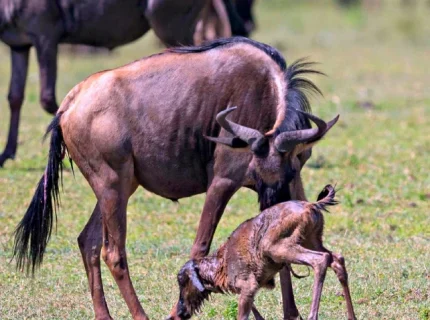
Explore the magic of a 7-Days Tanzania Safari during the unforgettable Great Wildebeest Migration calving season. Start in Arusha and explore the elephant-rich landscapes of Tarangire National Park, famous for its giant baobab trees and diverse wildlife.

10 Days / 9 Nights
Enjoy a 10-Day Tanzania Safari wildlife and culture. Explore Tarangire, Ngorongoro Crater, and Serengeti on game drives for Big Five sightings and seasonal migration.
Let’s Plan Your Perfect Safari
Plan your dream Tanzania safari with expert guidance, personalised itineraries, and unforgettable wildlife adventures.